

Traveling With Your Pet or Hiring a Pet Sitter? The Ultimate Vacation Guide
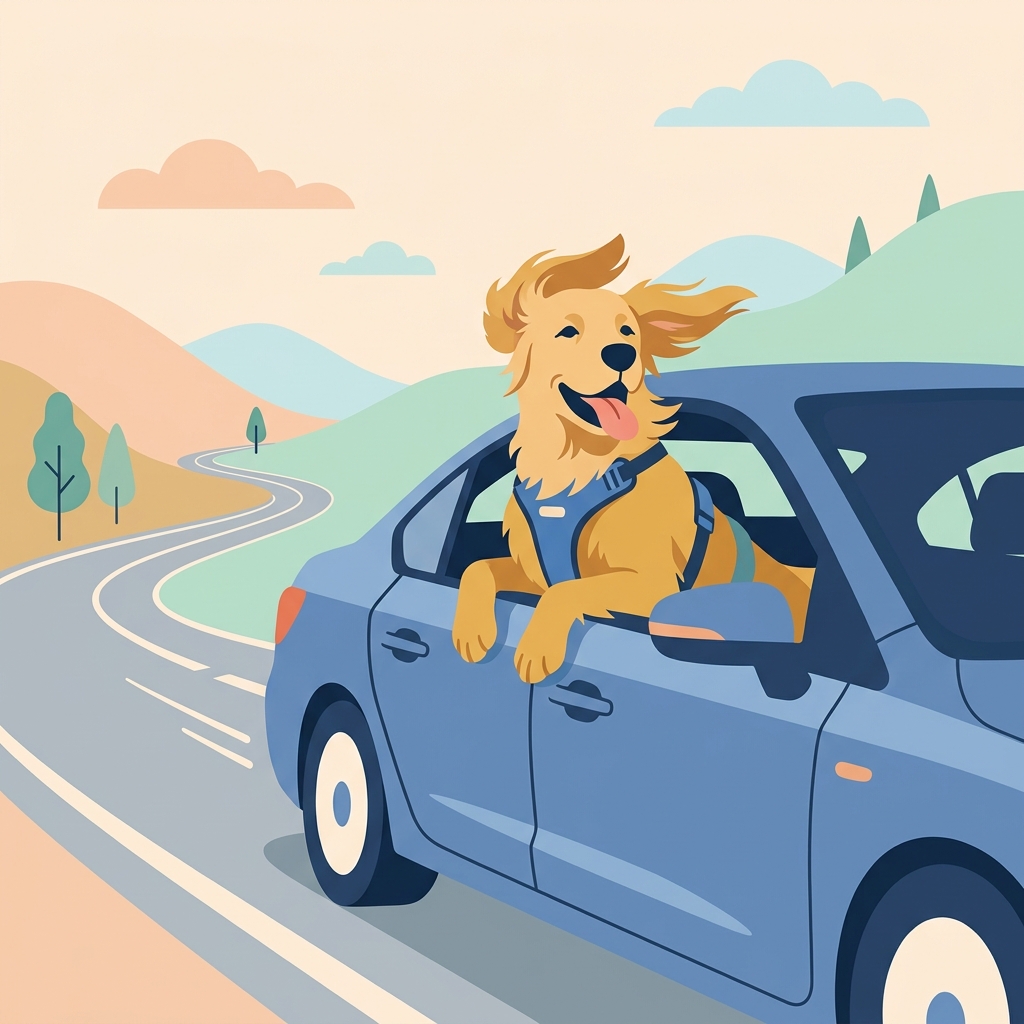
Summer is approaching (or you’re planning a city break), and the question comes up every time: do I bring my pet, or find someone to look after them? There’s no universal right answer — but there is a right answer for your situation, your pet’s temperament, and your type of trip.
This guide gives you everything you need to decide: transport options, regulations, pet-sitting solutions, and the real costs involved.
First: Does Your Pet Handle Travel Well?
Before anything else, assess your animal’s ability to handle travel situations.
Signs Your Pet Is a Good Traveler
✅ Stays calm in the car (no continuous panting, no vomiting, no whining)
✅ Adapts quickly to new environments (sniffs around, then settles down)
✅ Isn’t excessively territorial (doesn’t need “their” spot to feel secure)
✅ Eats and uses the litter/goes outside relatively normally in unfamiliar places
✅ Is young, healthy, and up-to-date on vaccinations
Signs Your Pet Is Better Left at Home
⚠️ Gets severely carsick
⚠️ Shows extreme anxiety in new environments (hides, refuses to eat for days)
⚠️ Has health issues that complicate travel (heart disease, hip dysplasia, respiratory problems)
⚠️ Is a senior animal who prefers routine and familiar spaces
⚠️ Has never traveled and you’re planning a 6-hour journey on first exposure
If your pet falls into the second category, the kindest decision is often leaving them in trusted hands at home.
Traveling With Your Pet: Mode by Mode
🚗 By Car: The Most Flexible Option
The car is by far the most common and practical way to travel with a pet.
Legal requirements in France (and most of Europe):
- Pets must be properly secured in the vehicle: crash-tested harness, pet carrier/crate, or a trunk guard. A pet roaming free in the car is an offense (and extremely dangerous in case of accident).
- No riding unsecured in the front seat.
Tips for a comfortable car journey:
- Don’t feed 4–6 hours before a long trip (reduces nausea risk — especially for dogs)
- Stop every 2 hours for water and a 10–15 minute stretch
- Never leave your pet in a parked car — temperatures reach 60°C in less than 30 minutes on a sunny day, even with windows cracked
- Train for the journey: for an animal that’s never traveled, do short acclimatization drives in the weeks before
Motion sickness: If your dog or cat consistently vomits in the car, speak to your vet. Effective prescription solutions (Cerenia for dogs) exist and make the journey much more comfortable.
🚂 By Train (SNCF)
France’s SNCF allows pets in most trains (TGV, Intercités, TER) under these conditions:
| Pet size | Rules | Cost |
|---|---|---|
| Small (< 6kg in carrier) | Allowed in all trains, carrier on lap or at feet | €7.50 flat rate |
| Medium/large (> 6kg) | Allowed in most TGVs, must be on leash and muzzled | 50% of full adult ticket |
| Any size | Not allowed in Eurostar, Thalys, Lyria (France-Switzerland) | — |
Tips: Book in advance and check your specific train’s pet policy. Certain peak trains have limited pet spots. Muzzle-train your dog before travel if needed — not all dogs accept muzzles easily.
✈️ By Plane
Traveling by plane with a pet is the most complex and stressful option — both for you and for your animal.
In the cabin (EU regulations):
- Only animals under 8kg (including carrier) are allowed in-cabin on most European airlines
- Carrier must fit under the seat in front of you
- Prices range from €25 to €100+ per flight depending on airline
In the hold:
- Animals over 8kg travel in the pressurized, temperature-controlled hold
- This is genuinely stressful for most animals — the noise, isolation, and disorientation are significant
- Many vets advise against hold travel unless absolutely necessary
- Brachycephalic breeds (flat-faced: Pug, French Bulldog, Persian cat) are often refused by airlines due to respiratory risk
International travel and paperwork:
- EU passport (chip + rabies vaccination) mandatory for all EU travel
- Tapeworm treatment required upon entry into the UK, Ireland, Finland, Malta, Norway
- For travel outside the EU: check destination country requirements at least 3 months in advance (some countries require 6-month waiting periods after specific vaccines)
Leaving Your Pet Behind: The Pet-Sitting Options
If travel isn’t suitable for your animal, here are the main care solutions:
Option 1: Pet Sitter at Home
A pet sitter comes to your home — either for daily visits (feeding, walk, playtime) or stays overnight.
Advantages:
- Your pet stays in their familiar environment (lowest stress)
- The home is watched (deterrent for burglars)
- Personalized, one-on-one attention
Prices (France, 2026):
- Daily visit (30 min): €12–25
- Overnight stay at your home: €40–80/night
- Multiple pets: typically +€5–10 per additional animal
How to find a good one: Platforms like Adopt’Animaux let you browse verified pet-sitter profiles, read reviews, and message directly. Always do an in-person meet-and-greet before your trip.
Option 2: Pet-Sitter’s Home (Family Boarding)
Your pet stays in the pet sitter’s home while you’re away. Good sitters take a limited number of animals and offer a genuine family environment.
Advantages:
- Constant supervision (no alone time)
- Social interaction (often with the sitter’s own pets)
- Usually cheaper than overnight at-home stays
Prices: €25–50/night for a dog, €15–30/night for a cat.
What to check: Does the sitter have other animals? Are they compatible with yours? Is their home adequately fenced? What’s their veterinary emergency plan?
Option 3: Dog Boarding Kennel
Professional kennels can accommodate your dog for longer stays with staff trained in animal care.
Prices: €20–45/night depending on region and kennel standard.
What to check: Visit before booking. Observe the cleanliness, kennel size, outdoor space, and how staff interact with the dogs. Certification (DDPP-registered) is required in France.
Important: Kennels require up-to-date vaccination records — bring your pet’s health booklet.
Option 4: Friends or Family
The most affordable option (sometimes free!) but comes with its own risks:
✅ Your pet knows them → reduced stress
⚠️ Unclear responsibility if something goes wrong
⚠️ Less professional knowledge of animal needs
⚠️ Can strain relationships if things go wrong
If you go this route: leave a detailed written care sheet (feeding schedule, vet contact, emergency plan) and ensure your vet has their details.
Decision Guide: Bring or Leave?
| Situation | Recommendation |
|---|---|
| Road trip < 4h, calm pet | Bring them 🐾 |
| City stay + dog-friendly hotel | Bring them 🐾 |
| Flight > 3h, pet > 8kg | Leave with pet sitter ✋ |
| Camping (if pet is active) | Bring them 🐾 |
| All-inclusive resort, no pets | Leave with pet sitter ✋ |
| Group trip (birthday, weddings) | Leave with pet sitter ✋ |
| Pet with anxiety/health issues | Leave with pet sitter ✋ |
| Remote work trip > 3 weeks | Case by case, mixed care ⚖️ |
FAQ: Traveling With Pets
Do I need specific insurance to travel with my pet?
Standard pet health insurance generally covers accidents and illnesses during travel, but not travel costs themselves. Some travel insurance policies include a “pet assistance” clause. Check your contract specifically for emergency veterinary coverage abroad.
My cat refuses to enter its carrier. What do I do?
A carrier that only appears on vacation day = maximum stress. Solution: leave the carrier open in your living room year-round as a resting spot. Gradually associate it with positive experiences (treats, favorite toys inside). By travel time, the carrier becomes familiar, not frightening.
Can I give my pet calming supplements or sedatives?
Natural calming supplements (Zylkene, Feliway, Adaptil) can help moderately anxious animals. Never administer prescription sedatives without veterinary supervision — they can cause cardiorespiratory complications at altitude or under stress. A pre-travel vet consultation is always recommended.
What documents do I need to travel within the EU with my pet?
An EU pet passport (obtainable from your vet) containing: microchip ID number, rabies vaccination (anti-rabies certificate), and the owner’s details. Some countries (UK, Ireland, Finland) additionally require tapeworm treatment within 1–5 days before entry.
My dog gets car sick every time. Is there a solution?
Yes. Consult your vet about Cerenia (maropitant) — highly effective for dogs. Combine with: fasting before travel, good ventilation in the car, keeping the dog facing forward. For cats, Bonine (meclizine) is sometimes prescribed. Don’t attempt a long trip without having tried solutions on a shorter test drive first.
Conclusion: Make the Choice That’s Right for Your Pet
The best vacation is one where your pet is comfortable — whether that means they’re by your side at every step, or happily settled at home with a trusted sitter.
Don’t let social pressure (or beautiful Instagram photos of pets at the beach) make the decision for you. Know your animal. Respect their temperament.
And if you’re looking for a trusted pet sitter or boarding, Adopt’Animaux connects you with verified pet-care professionals across France.