

Adopting a Cat from a Shelter: Complete Guide to Finding Your Feline
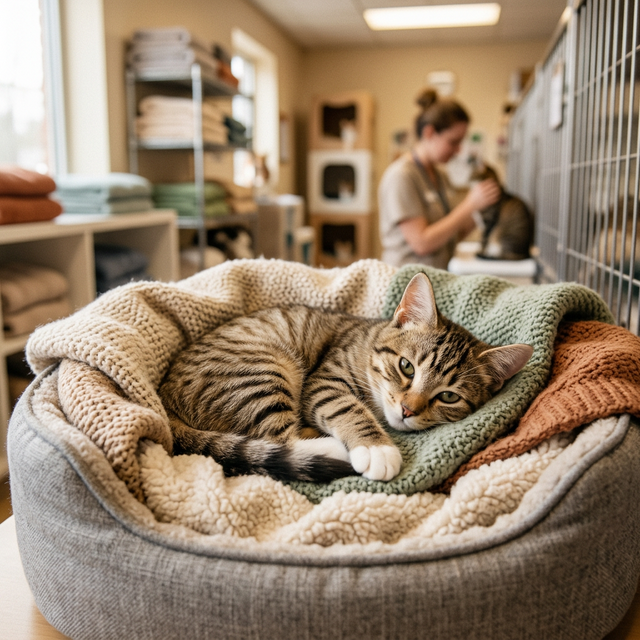
Adopting a cat from a shelter is one of the most beautiful and rewarding gestures you can make. You offer a second chance to an animal in need, while welcoming an extraordinary companion who will repay you a hundredfold. Whether you are a novice or experienced with felines, here is your complete 2026 step-by-step guide to a successful adoption.
1. Why Adopt a Cat from a Shelter Rather Than a Pet Shop or Breeder?
The situation is alarming: shelters and associations in France, such as the SPA or independent shelters, take in over 100,000 abandoned or stray cats and kittens every year. By choosing responsible shelter adoption, you are taking a proactive and ethical stance:
- You save two lives: the life of the cat you take home, and the life of the cat who can take its vacant place at the shelter.
- You adopt a “ready-to-go” animal health-wise: shelter cats are examined by a vet, microchipped (mandatory in France), vaccinated (typhus, coryza, feline leukaemia), dewormed and neutered (or with an obligation to neuter for kittens).
- You know their true character: volunteers and foster families observe the cats daily. They know if the animal is cuddly, fearful, playful, and whether they get along with dogs or children.
- You pay much less: adoption fees barely cover basic veterinary costs, which is significantly lower than the purchase price from a breeder (often between €800 and €1500).
- You fight against trafficking and abandonment: by not buying from unverified classified ad sites, you avoid funding unregulated breeding and kitten mills.
2. How to Choose the Right Cat for You? Ditch the Clichés!
The biggest trap in adoption is choosing a cat based solely on its photo or coat colour. A brightly coloured ginger cat might be unmanageable in an apartment, while a black cat (statistically the least adopted) or a more discreet “tortoiseshell” might turn out to be an absolute purring machine.
Ask yourself these strategic questions:
Your home and its outdoors:
- Apartment with no balcony or on a high floor? Opt for a calm cat, a senior cat, or a cat tested positive for FIV (feline immunodeficiency virus) who absolutely must stay indoors so as not to infect others or get infected themselves.
- House with a garden or ground floor? A more adventurous cat or a former street cat (socialised feral cat) will thrive with a cat flap.
Your lifestyle and available time:
- Often away (full-time work + outings)? An independent adult cat, or even a closely bonded pair of adult cats (joint rescue), will be much better suited than a kitten that requires presence.
- Regular remote working? A “velcro-cat”, very sociable and eager for interaction, will appreciate your constant company.
- Toddlers or babies? Look for a very mellow cat, tested with children by its foster family, without an ounce of aggression even if clumsily bumped into.
The Great Dilemma: Kitten vs Adult Cat:
Many people swear by kittens of a few months old, finding them cute. But beware of the reality:
| Criteria | The Kitten (2 to 6 months) | The Adult Cat (+1 year) | The Senior Cat (+8 years) |
|---|---|---|---|
| Energy level | 🌪️ Tornado, plays at night, climbs curtains | 🛋️ Moderate temperament, regular play phases | 💤 Very calm, lots of naps in the sun |
| Training | ⏳ Everything to do: litter box, boundaries (scratching, biting) | ✅ Usually already house-trained, understands “no” | ✅ Perfectly trained, very fixed habits |
| Character | ❓ Cute but unpredictable (a cuddly kitten might grow distant) | 🎯 Known and stable (no nasty surprises) | ❤️ Extremely grateful, very defined character |
| Medical costs | 💉 Vaccines to complete, neutering to plan (often at your expense) | 📄 Full check-up completed by the shelter | 🩺 Sometimes comfort care or chronic illnesses |
Our advice: let fate take its course. Visit the shelter or foster home, sit on the floor, and see which cat comes to you. Often, it’s not you who chooses the cat, it’s the cat who chooses you.
3. The Step-by-Step Process of Shelter Adoption
The typical journey for adopting an animal under good conditions:
Step 1: Browsing and falling in love Browse the listings on the Adopt’Animaux app or website. Our algorithm and search filters (city, age, compatibility with other animals) allow you to identify cats that perfectly match your profile in your region.
Step 2: Getting in touch and the questionnaire When you contact the association, most will ask you to fill out a “pre-adoption form”. You’ll be asked questions about your income, the size of your home, window security (nets are mandatory for many associations), and your working hours. This isn’t a police interrogation, but reassurance for the association that the cat won’t be brought back 15 days later!
Step 3: The meeting Go to the shelter or the partner foster home. Observe the cat. Play with them if they’re curious, leave them alone if they hide. Ask the volunteer what kibble they currently eat so you can plan the transition.
Step 4: Paperwork and fees Signing the “Certificate of commitment and knowledge” (mandatory since 2022, 7 days before the actual adoption) then the adoption contract. You will have to pay the adoption fees (usually between €150 and €250). You leave with their health book, veterinary certificate, and a provisional identification form (ICAD).
4. The Total Budget for the First Year
How much does a shelter cat cost beyond the initial adoption fees? Prepare yourself financially for this commitment.
| Type of Expense | Estimated Cost Range | Details |
|---|---|---|
| Shelter adoption fees | €150 to €250 | Neutering, microchip, primary vaccination included |
| Equipment / Welcome kit | €80 to €150 | Sturdy cat tree, XL litter box (uncovered if possible), ceramic bowls, rigid transport carrier (very important!) |
| Food (Monthly) | €30 to €60 | Premium veterinary kibble (grain-free) + wet food essential to protect their kidneys |
| Litter (Monthly) | €15 to €25 | Clumping plant-based or silica litter |
| Veterinary fees (Annual) | €100 to €300 | Booster vaccines, flea/tick treatments (pipettes), dewormer (4x/year if outdoor, 2x/year indoor) |
In total, a cat’s arrival will cost you between €300 and €500 the first month, then about €500 to €800 per year for standard maintenance (excluding potential health hiccups or pet health insurance).
5. Arriving Home: The 3 Golden Rules of Adaptation
To prevent the cat from panicking and spending 3 days under the sofa without eating, follow this strict method:
- The gentle quarantine room: On the first day, do not open the carrier in the middle of the living room! Put it in a small, quiet room (office or bedroom) with the door closed. Place their litter tray in one corner, and water and food at the complete opposite end (a cat hates eating near its toilet).
- Let them come to you: Open the carrier, sit on the floor, read a book, ignore them. Let them explore the room at their own pace. If they come out, do not try to catch them. If they rub their head against you (pheromonal marking), you’ve won.
- Progressive exploration: Keep them in this room for 2 to 3 days. Then leave the door ajar. They will explore the rest of the house at night when everything is quiet, and eventually take definitive possession of the premises.
Frequently Asked Questions About Cat Adoption from Shelters
Are shelter cats traumatised or sick? This is a persistent false belief! Many shelter cats simply had owners who had to part with them (death, divorce, severe allergies, eviction) and are absolutely adorable and well-balanced. If a cat has a heavy past (abuse, animal hoarding), the association will warn you and support you. As for health, they are monitored better than farm animals because every arrival triggers a strict health protocol.
Can I adopt an FIV+ (Feline AIDS) cat without risk? Yes! A cat with Feline Immunodeficiency Virus (FIV) is absolutely not contagious to humans or dogs. This virus is only transmitted from cat to cat via blood (deep bites) or sexually. Neutered FIV+ cats living strictly indoors (with no chance of fighting) can live just as long and as healthily as a cat not carrying the virus. Adopting an FIV+ cat is a magnificent rescue.
How to get my current cat to accept the new cat? Patience is key. Always isolate the newcomer for the first few days. Do a scent exchange (rub a sock on one’s cheek, and let the other smell it). Feed them on either side of a closed door to associate the other’s presence with something positive (food). Never force the meeting.
Thousands of cats with unique personalities are waiting for you. Find your future companion on the Adopt’Animaux app — the leading ethical adoption platform in France!