

7 Reasons to Adopt an Adult Cat from a Shelter (And Why They're Better Than Kittens)
Adopt'Animaux Team
Adopt'Animaux Editorial Team
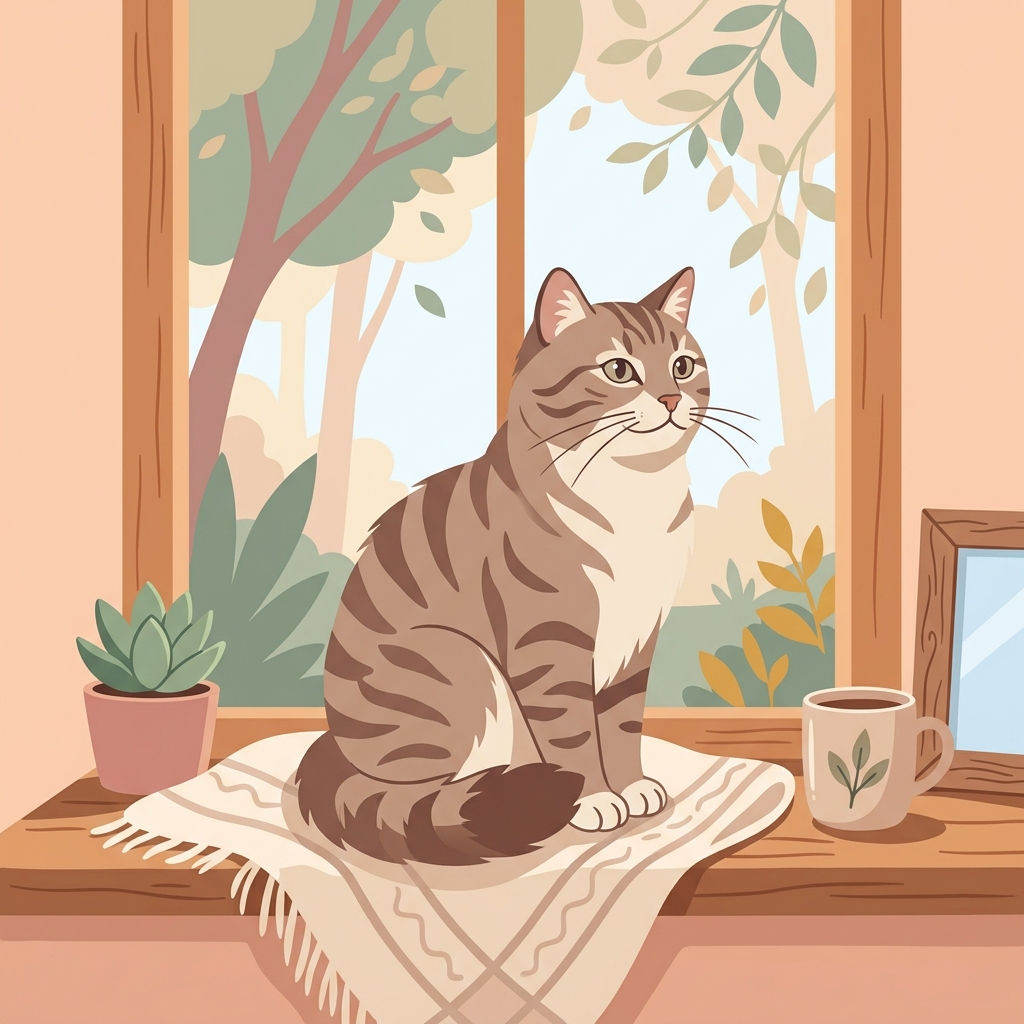
Walk into any animal shelter and you’ll see the same heartbreaking pattern: tiny kittens surrounded by people oohing and ahhing, while adult cats sit quietly in nearby kennels — waiting, patient, often invisible. The French ASPCA estimates that adult cats wait 3 to 5 times longer to be adopted than kittens. Many never find a home.
And yet, adult rescue cats offer something that kittens simply cannot: known personality, immediate calm, and a bond that many adopters describe as the most profound of their lives.
Here are 7 genuine reasons to choose an adult cat from a shelter — and why it might be the most rewarding decision you make this year.
1. What You See Is What You Get
Kittens are surprises. The fluffball that plays energetically at 8 weeks may become a reserved, solitary cat — or a hyperactive destroyer of furniture. You simply don’t know.
With an adult cat, the guesswork is gone. An experienced shelter team has observed the cat for weeks or months. They know whether it’s:
- Comfortable being held, or more independent
- Good with other cats, dogs, children
- Vocal and demanding, or quiet and self-sufficient
- Playful, calm, lap-oriented
This transparency lets you find a cat that genuinely matches your lifestyle — not one that might, or could develop into something compatible.
2. The Kitten Phase? Already Done — By Someone Else
The kitten phase is many things: adorable, memorable, and also genuinely exhausting. Kittens:
- Wake you up at 3am with zoomies
- Destroy curtains, power cords, and houseplants
- Need intensive socialization and handling to prevent fearful adult behaviors
- Require multiple vet visits for vaccination series and sterilization
- Have zero concept of boundaries
An adult rescue cat has already been through all of this. Sterilization? Done. Primary vaccinations? Done. Microchipping? Done. Clumsy kitten accidents on the sofa? Done. You arrive at the calm, companionable phase — skipping directly to the good part.
3. Lower Cost of Ownership (and Hidden Value)
Many people assume kittens are cheaper to adopt — but the math tells a different story.
Typical adoption costs in France:
| Adult cat (shelter) | Kitten (bred or found) | |
|---|---|---|
| Adoption fee | €80–200 | €50–1,500+ |
| Sterilization | Included | €80–200 |
| Microchip | Included | €40–80 |
| Primary vaccinations | Included | €60–120 |
| True first-year cost | €80–200 | €230–1,900+ |
Beyond the financial argument, there’s also the veterinary baseline: shelters know the cat’s health history. Any pre-existing conditions are disclosed before adoption — no unexpected first-vet-visit surprises.
4. Immediate Integration Into Your Routine
Kittens demand time. They need play sessions multiple times per day, cannot be left alone for long periods, and their sleep/wake cycles don’t align with human schedules for the first months.
An adult cat adapts to your life. Most adult rescue cats, once they’ve had 2–4 weeks of quiet adjustment time, settle beautifully into household routines. They tend to:
- Sleep at night (hallelujah)
- Tolerate working hours alone with appropriate enrichment
- Self-entertain more confidently than kittens
- Generally signal their needs more clearly
For busy professionals, singles who work long hours, or people with young children needing sleep — an adult cat’s temperament is often simply a better fit.
5. Forming a Bond That’s Uniquely Profound
This is the one that surprises most adopters. They arrive expecting a transactional pet relationship and leave months later describing something much deeper.
There’s a phenomenon that shelter workers call the “rescue bond” — a particular depth of attachment that often forms between humans and adult cats who were given a second chance. Whether this is anthropomorphizing or genuine emotional recognition is debated by scientists. But the subjective experience reported by thousands of adopters is remarkably consistent: this cat knows what I did for them.
Many adult rescue cats — especially those adopted from difficult situations — show extraordinary levels of affection, seeking proximity, choosing their human deliberately, responding to moods and illness with intuitive comfort. Anecdotally, these are frequently the cats who sleep on their owner’s chest during hard times.
6. You’re Saving Two Lives
Every adult cat adopted from a shelter creates a ripple effect.
First, you give that specific animal — who may have been waiting months — a life they wouldn’t otherwise have. For older cats especially, time in shelters is finite; euthanasia for space and health reasons, while rare in France’s no-kill shelters, is a statistical reality elsewhere.
Second, your adoption frees a space that another animal in need can fill. In France alone, approximately 100,000 cats and dogs are abandoned annually. Each adoption directly reduces this number.
Choosing to adopt an adult cat is among the highest-impact actions you can take as a pet lover.
7. You Sidestep the Most Common Ethical Problems
The kitten market — despite improvements — still harbors serious problems:
“Free” kittens from classified ads: Often unvaccinated, not microchipped, occasionally carrying parasites or early disease. The initial “free” cost quickly becomes expensive at the vet.
Backyard breeders: Many cats offered on general classified sites come from unmonitored breeding with no health guarantees. The conditions of the mother cat are often unknown.
Purebred cat breeders (without due diligence): Not inherently unethical, but selecting a reputable breeder requires significant research. Many “breeders” are simply high-volume operations in disguise.
Adopting an adult from a recognized shelter or association: transparent history, confirmed health status, known personality, vetted by animal welfare professionals. It’s the most ethically clean option available.
Common Myths About Adult Rescue Cats — Debunked
“They’ll never really bond with me — they already have their habits.”
False. Cats form new deep attachments throughout their lives. It may take a few weeks longer than a kitten, but adult cats absolutely bond with their new families — often more deliberately and intentionally than kittens.
“Adult cats in shelters are there because they’re ‘problem cats’.”
False. The overwhelming majority of surrendered adult cats are there due to human circumstances: divorce, allergies, moving, financial difficulty, a new baby. The cat’s behavior isn’t the issue.
“Kittens are better with kids.”
This is backwards. Young kittens are fragile and easily injured by enthusiastic toddlers. A calm, assessed adult cat — with a known history of tolerating children — is generally a safer choice for households with young children.
How to Adopt an Adult Cat in France
- Browse profiles on Adopt’Animaux, filtered by species (cat), age (adult), and your region
- Read the full profile — temperament notes, history, compatibility with other animals
- Contact the association or individual via our secure messaging
- Arrange a meeting with the cat before committing
- Sign the Certificat d’Engagement et de Connaissance (CEC — legally required 7 days before adoption since 2022)
- Prepare your home: a quiet room for decompression, litter box, food, vertical spaces
- Allow 2–4 weeks of adjustment — patience is everything
FAQ: Adopting an Adult Cat
How long before an adult cat feels at home?
Most adult cats show noticeably more comfort and confidence within 2–4 weeks. Full “belonging” — true relaxed home behavior — often takes 1–3 months. Some cats open up faster; traumatized or very shy cats may take longer. The key is a quiet initial environment with no forced interaction.
Will an adult rescue cat accept my other cat?
It depends on both cats’ temperaments. Many shelters will tell you whether a cat has previously lived with other cats. A proper introduction (separate rooms initially, gradual scent-swapping, controlled face-to-face meetings) dramatically improves success rates regardless of age.
Should I adopt one or two adult cats?
If you’re away more than 8–10 hours daily, two cats can be wonderful company for each other. However, don’t introduce two adult cats simultaneously from the shelter “to simplify” — the introduction process is the same and rushing it causes conflict. Get one settled first, then consider a second.
What if the cat doesn’t “like” me initially?
This is normal — and not rejection. Cats need to choose you on their own terms. Sit near them, speak softly, offer treats, and let them approach. Never force contact. Within days or weeks, a genuinely compatible cat will invariably come around. If after 6–8 weeks there’s still complete avoidance, contact the shelter for behavioral guidance.
Conclusion: The Cat Waiting for You Is Already There
The “perfect cat” you’re imagining — calm, affectionate, adaptable, already potty-trained, personality known — isn’t a future kitten. It’s an adult cat at a shelter near you right now.
Give a second chance to an animal who deserves one. You might just find the companion of a lifetime.
Browse adult cats available for adoption on Adopt’Animaux.